L-theanine is an amino acid found almost exclusively in tea leaves. Unlike valerian or passionflower it is not a sedative — it produces a state of ‘relaxed alertness’ associated with increased alpha brain-wave activity. For people whose insomnia is driven by mental over-activation rather than physiological hyperarousal, it can be the difference-maker.
How l-theanine works
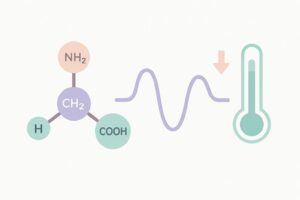
L-theanine crosses the blood-brain barrier and increases alpha brain-wave activity (8–12 Hz), the rhythm associated with relaxed wakefulness — the state right before sleep onset. It also modulates dopamine, serotonin, GABA, and glutamate, producing calm without sedation.
Unlike a sedative, l-theanine does not directly induce sleep. It reduces the cognitive over-activation that prevents sleep onset — particularly useful for people who lie awake thinking.
Evidence
A 2019 RCT in stressed adults found 200 mg daily for 4 weeks improved subjective sleep quality, sleep onset latency, and reduced verbal fluency anxiety. Pediatric ADHD trials at 400 mg show improved sleep percentage and reduced nocturnal activity.
Effect size is modest — l-theanine is a useful component of a stack, rarely a standalone solution.
Stacking
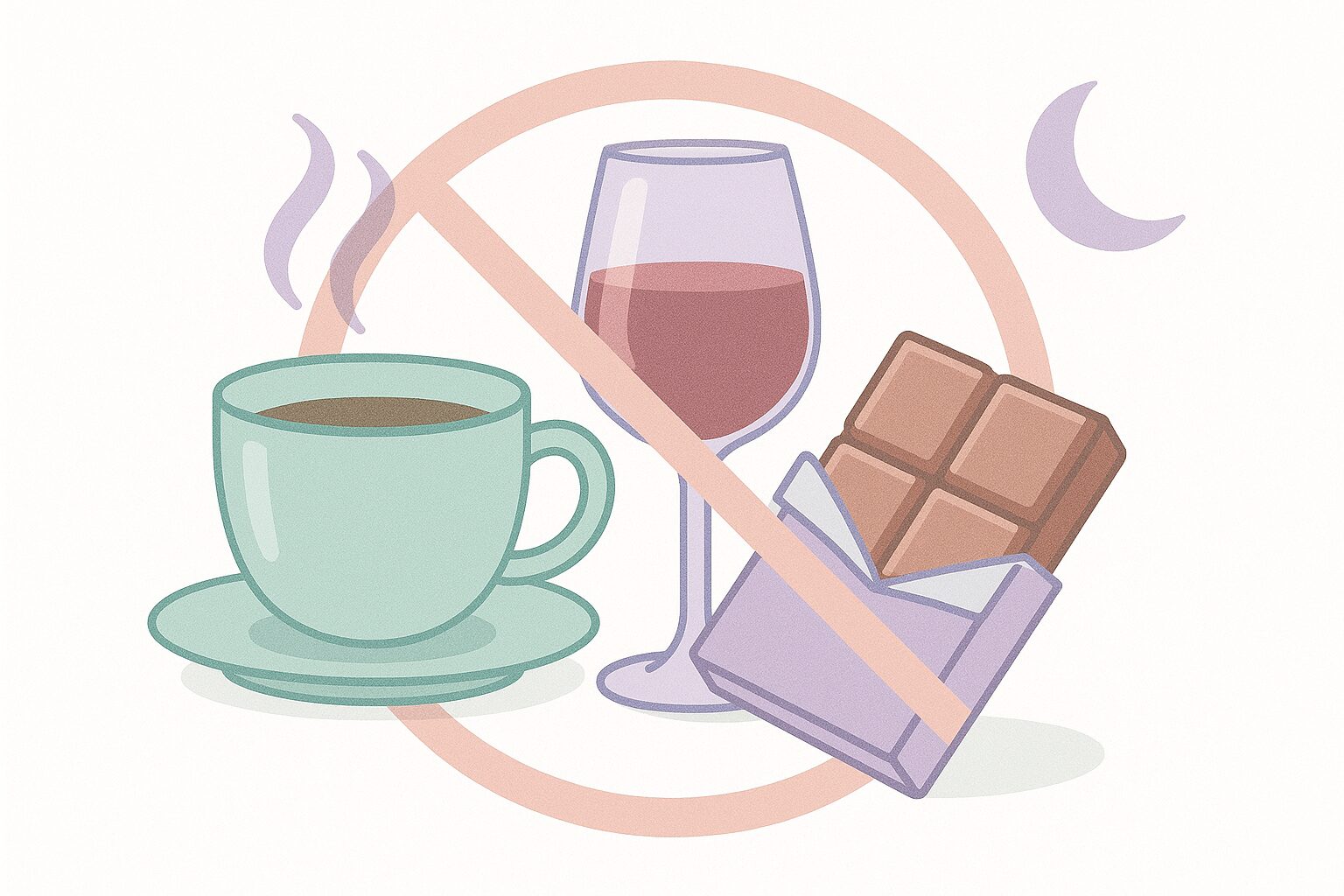
L-theanine + magnesium glycinate is a popular non-sedating combination. L-theanine + caffeine is the daytime focus stack — never use it at night.
Quality matters: look for Suntheanine (a patented L-theanine that has been used in most clinical trials).
L-theanine — sleep vs focus use
| Use | Dose | Pair with |
|---|---|---|
| Sleep onset | 200–400 mg | Magnesium glycinate |
| Daytime focus | 100–200 mg | Caffeine 50–100 mg |
| Anxiety relief | 200 mg | Passionflower or lavender |
Related reading: magnesium for sleep, 9 herbal sleep remedies.
Frequently Asked Questions
Can I get enough l-theanine from green tea?
Tea contains 15–30 mg per cup. You would need 8–10 cups for a 200 mg dose — and the caffeine would offset the sleep benefit. Use capsules.
Is it safe long-term?
Up to 1200 mg/day appears safe in adults. Lower doses (200–400 mg) have the cleanest sleep evidence.
Will it make me drowsy during the day?
Most people report relaxed alertness, not drowsiness. Try a daytime dose before assuming it is night-only.
Sources & Further Reading
- NIH ODS — Amino acids in supplements
- NCCIH — Mind and Body practices
- Mayo Clinic — Insomnia self-care