Roughly half of US adults consume less magnesium than the recommended intake, and magnesium plays a direct role in GABA signalling, parasympathetic tone, and melatonin synthesis. Correcting a sub-clinical deficiency often produces the clearest sleep improvement of any single supplement — but only if you pick the right form.
How magnesium affects sleep
Magnesium is a co-factor for the enzyme that converts tryptophan to serotonin and then to melatonin. It also acts as a natural NMDA receptor antagonist and a GABA-A receptor agonist — both calming neurochemistry. Low magnesium correlates with shorter sleep duration and more night-time wakings in observational studies.
A 2012 RCT in older adults with insomnia found 500 mg daily for 8 weeks improved sleep efficiency, sleep onset, sleep time, and morning cortisol.
Why form matters more than dose
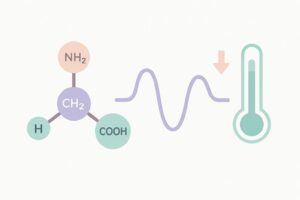
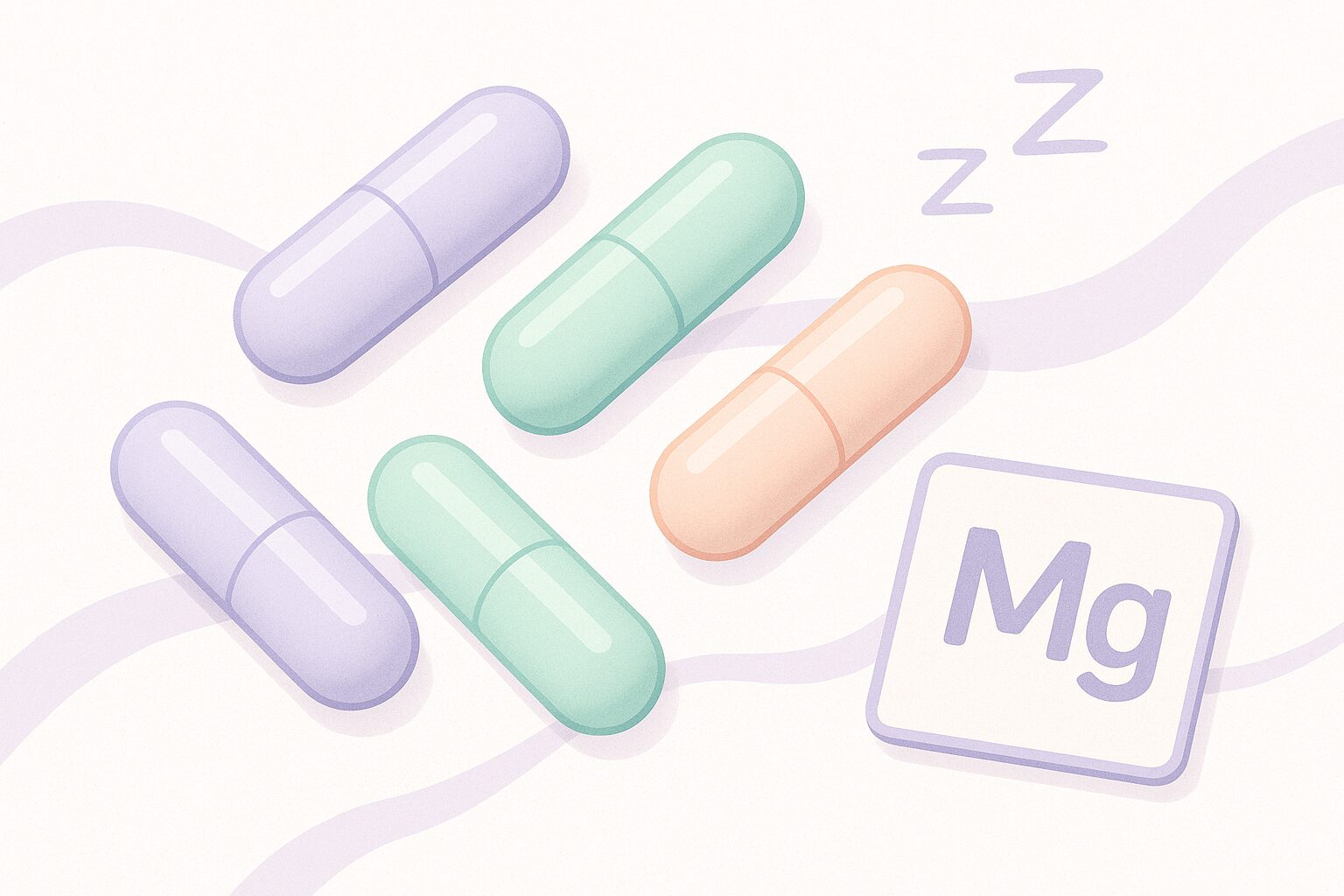
Magnesium oxide is cheap, common in budget supplements, and absorbs poorly (~4 percent bioavailability). Most of the dose ends up in the toilet bowl. Magnesium glycinate (also called bisglycinate) absorbs well, is gentle on the gut, and the glycine itself is mildly calming. Magnesium l-threonate is the only form that meaningfully crosses the blood-brain barrier — the most expensive but most relevant for sleep and cognition.
Magnesium citrate absorbs well but has a laxative effect at 400 mg+ doses — useful if you are constipated, less so if you are not.
Dosing protocol
Start with 200 mg magnesium glycinate 60 minutes before bed. Increase to 300–400 mg over 7–10 nights if no effect. If you can spend the money, l-threonate at 144–288 mg elemental magnesium is the cleanest neuro-target form. Avoid taking magnesium within 2 hours of high-dose calcium, zinc, or iron — they compete for absorption.
Magnesium form comparison for sleep
| Form | Bioavailability | Sleep-specific benefit | Cost |
|---|---|---|---|
| Glycinate | High | Calming (glycine bonus) | $ |
| L-threonate | High + crosses BBB | Best for sleep + cognition | $$$ |
| Citrate | High | Mild calming, laxative effect | $ |
| Oxide | Low (~4%) | Skip | $ |
| Malate | High | Energy daytime use | $$ |
Related reading: 9 herbal sleep remedies, glycine for deep sleep.
Frequently Asked Questions
Should I get tested for magnesium deficiency?
Serum magnesium tests are insensitive — most magnesium is intracellular. RBC magnesium is better but rarely ordered. A 4-week trial of supplementation is more informative than a single test.
Can I take magnesium with melatonin?
Yes, no known negative interaction. Many sleep-stack products combine them.
What are signs I am taking too much?
Loose stools, abdominal cramping, or lethargy. Lower the dose. Severe toxicity is rare in people with normal kidney function but can occur if kidneys are impaired.