Roughly one in three adults reports trouble falling or staying asleep on any given week, and somewhere between 10 and 15 percent meet the clinical criteria for chronic insomnia. Before reaching for a sleep aid — herbal or otherwise — it helps to understand which type of insomnia you actually have, what is driving it, and when natural approaches are appropriate versus when you genuinely need a sleep specialist.
How sleep specialists define insomnia
The current diagnostic standard (ICSD-3, used by sleep clinics worldwide) defines insomnia disorder as a persistent difficulty with sleep initiation, duration, consolidation, or quality that occurs despite adequate opportunity for sleep and results in daytime impairment. Three nights per week for three months is the threshold separating short-term from chronic insomnia.
The daytime piece matters. Lying awake for 40 minutes and feeling fine the next day is not clinical insomnia — it is just a slow sleep-onset night. The moment that pattern starts producing fatigue, brain fog, irritability, or performance decline at work, the bar for treatment has been crossed.
The four sub-types you should know
| Type | Hallmark complaint | Common drivers |
|---|---|---|
| Sleep-onset | Takes > 30 min to fall asleep | Anxiety, racing thoughts, blue light, caffeine |
| Sleep-maintenance | Wakes 2 a.m.–4 a.m. and cannot return to sleep | Cortisol spike, alcohol, blood sugar dips, GERD |
| Early-morning | Wakes 1–2 hr before alarm, cannot resume | Depression, advanced sleep phase, low melatonin |
| Non-restorative | Sleeps full hours but wakes unrefreshed | Sleep apnoea, fragmented architecture, magnesium deficiency |
Causes — physiological, psychological, lifestyle
Physiologically, insomnia is a state of hyperarousal — your sympathetic nervous system is winning the tug-of-war against the parasympathetic system that should be running the show at bedtime. The drivers cluster into three buckets:
- Physiological: elevated evening cortisol, low GABA tone, magnesium or B6 deficiency, sub-clinical hyperthyroidism, restless legs, sleep apnoea.
- Psychological: generalised anxiety, depression, PTSD, rumination about sleep itself (a vicious feedback loop sleep clinicians call ‘conditioned arousal’).
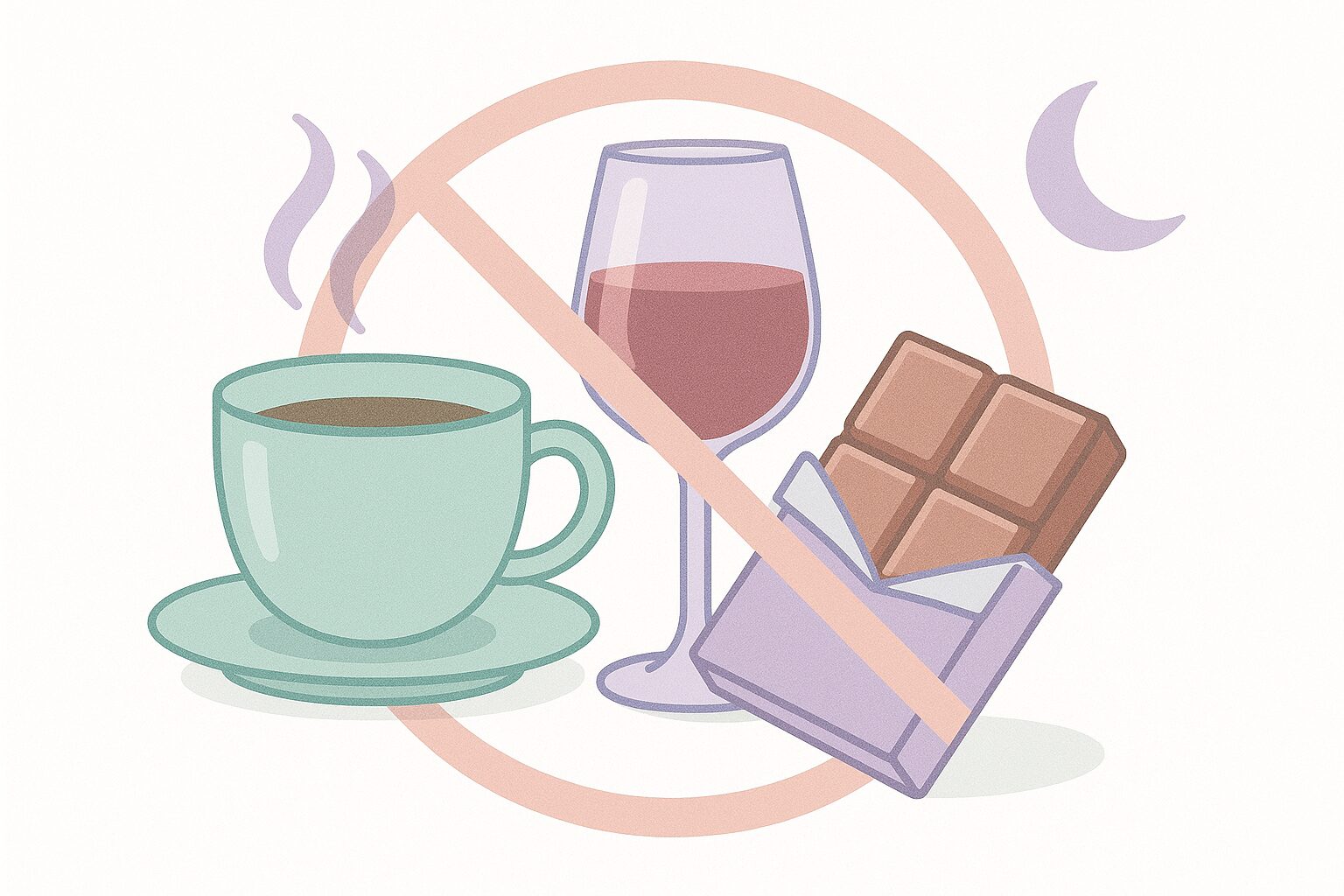
- Lifestyle: caffeine after 2 p.m., alcohol within 3 hours of bed, evening screen time, irregular bedtime, eating heavy meals late, bedroom temperature above 20 °C.
When natural treatment is appropriate — and when it is not
Short-term insomnia tied to identifiable stressors (work deadline, jet lag, grief) and mild chronic insomnia in otherwise healthy adults are reasonable candidates for behavioural change plus evidence-supported herbs like valerian, passionflower, or chamomile. Cognitive behavioural therapy for insomnia (CBT-I) remains the gold-standard first-line treatment per the American College of Physicians and produces durable results.
Red flags that require a sleep specialist before any DIY protocol: loud snoring with daytime sleepiness (possible apnoea), insomnia plus weight loss or heat intolerance (possible hyperthyroidism), insomnia plus persistent low mood (possible depression), or any new insomnia in someone over 65 who was previously a good sleeper. These need a workup, not melatonin.
If you have established that your insomnia is short-term and lifestyle-linked, the natural toolkit is well-stocked. Read our companion guide on 9 evidence-based herbal sleep remedies and the step-by-step natural sleep protocol to assemble a routine.
Frequently Asked Questions
How many hours of sleep do adults actually need?
Most healthy adults aged 18–64 need 7–9 hours per the National Sleep Foundation consensus panel. Older adults (65+) often function well on 7–8. Chronic sleep below 6 hours is associated with cardiovascular, metabolic, and cognitive risk.
Is occasional insomnia harmful?
No. Acute insomnia tied to a clear stressor is a normal stress response and resolves when the trigger does. It only becomes clinically meaningful if it persists three nights per week for three months and produces daytime impairment.
Can I treat insomnia naturally if I am on a sleep medication?
Only with your prescriber’s involvement. Several herbal sleep aids (valerian, passionflower, kava) interact with benzodiazepines, Z-drugs, and antidepressants. Never combine or taper on your own.
Sources & Further Reading
- NCCIH — Sleep Disorders and CAM
- Mayo Clinic — Insomnia overview
- American College of Physicians — Management of Chronic Insomnia
- NIH MedlinePlus — Insomnia