Valerian root (Valeriana officinalis) has been used for sleep since ancient Greece, but the modern question is whether the clinical evidence holds up. Across 16+ randomised trials, the answer is a qualified yes — modest but consistent improvements in subjective sleep quality, with sleep onset reduced by roughly 10–15 minutes in responders.
How valerian works
Valerian contains valerenic acid, which appears to modulate GABA-A receptors — the same family of receptors targeted by benzodiazepines, but far more weakly. It also seems to inhibit GABA breakdown, prolonging the calming signal. Unlike a benzodiazepine, valerian does not produce tolerance, dependence, or next-day cognitive impairment in trial data.
The catch is that valerian is a slow burn. A single dose rarely produces dramatic effects. Nightly use for 2–4 weeks lets valerenic acid steady-state, which is when subjective sleep quality starts to improve.
What the evidence actually shows
Meta-analyses (Bent et al. 2006; later updates) pool 16+ placebo-controlled trials covering roughly 1,000 participants. Subjective sleep quality improves significantly versus placebo. Objective polysomnography findings are weaker — total sleep time and sleep architecture changes are small. Translation: valerian helps you feel like you slept better, with modest but real changes in the underlying physiology.
Valerian-hops combinations consistently outperform valerian alone in head-to-head trials, particularly for sleep maintenance. See our piece on the hops-valerian stack.
Dosage — what the trials used
Standardised valerian extract, 300–600 mg, 30–60 minutes before bed. Look for extracts labelled as containing 0.8 percent valerenic acid (the active marker). Capsules beat tinctures for accurate dosing; tea is fine for mild cases but you can rarely brew it strong enough to match capsule dosing.
Start at 300 mg for the first week. Increase to 450–600 mg from week two if onset is still slow. Use nightly for 4 weeks before judging response.
Side effects and interactions
The most common complaints are mild morning grogginess (usually resolves after the first week), headache, vivid dreams, and rare stomach upset. Valerian smells unpleasant — that is normal and not a sign of a bad batch.
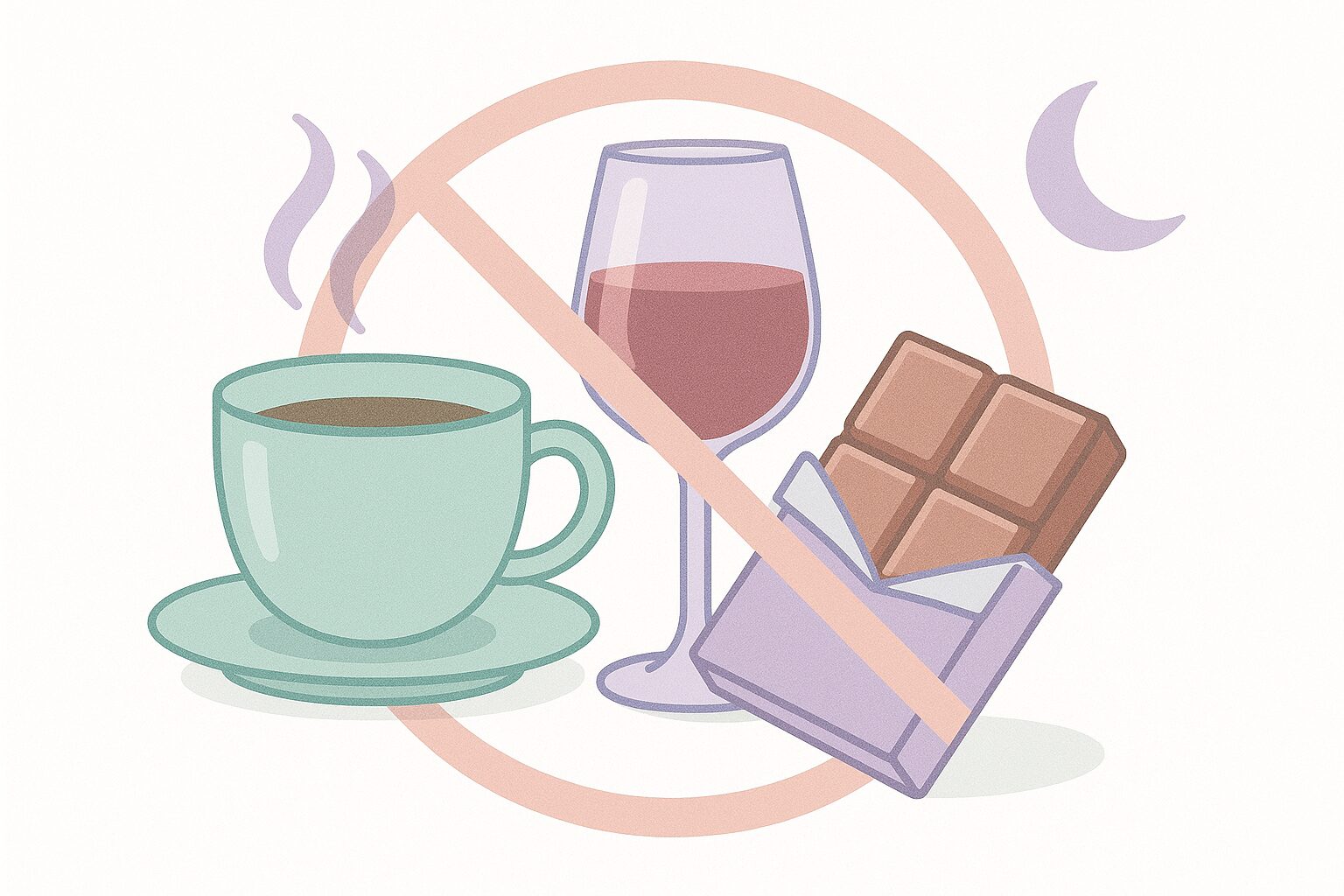
Avoid combining with benzodiazepines, Z-drugs (zolpidem, eszopiclone, zaleplon), opioids, or alcohol — additive central nervous system depression. Tell your anaesthetist if you have surgery scheduled; discontinue 2 weeks prior.
Valerian dose progression for first-month users
| Week | Dose | Timing | Expected result |
|---|---|---|---|
| 1 | 300 mg | 60 min before bed | Mild calming; sleep onset unchanged |
| 2 | 450 mg | 45 min before bed | Faster onset, fewer wakings |
| 3 | 600 mg | 30 min before bed | Clear subjective improvement |
| 4 | 600 mg | 30 min before bed | Plateau — assess overall response |
Related reading: 9 evidence-based herbal sleep remedies, hops + valerian combo.
Frequently Asked Questions
Can I take valerian every night long-term?
Most safety data covers 4–6 weeks. Long-term use appears safe but is less well studied. Periodic 1-week breaks are reasonable; taper gradually if stopping after months of nightly use.
Why does my valerian smell like dirty socks?
Isovaleric acid is the culprit — a normal constituent of valerian root and the same compound that gives stinky cheese its aroma. Capsules mask the smell; tea does not.
Is valerian safe in pregnancy?
Insufficient safety data. Avoid in pregnancy and breastfeeding pending more robust evidence.